 Dr. Natalie Lopez

Jaw Pain and TMJ Treatment with Chiropractic Care in Oakville
If your jaw aches, clicks, or feels tight when you chew, talk, or yawn, Dr. Natalie Lopez offers gentle, hands-on care for jaw pain and TMJ at Preserve Oak Wellness in Oakville.
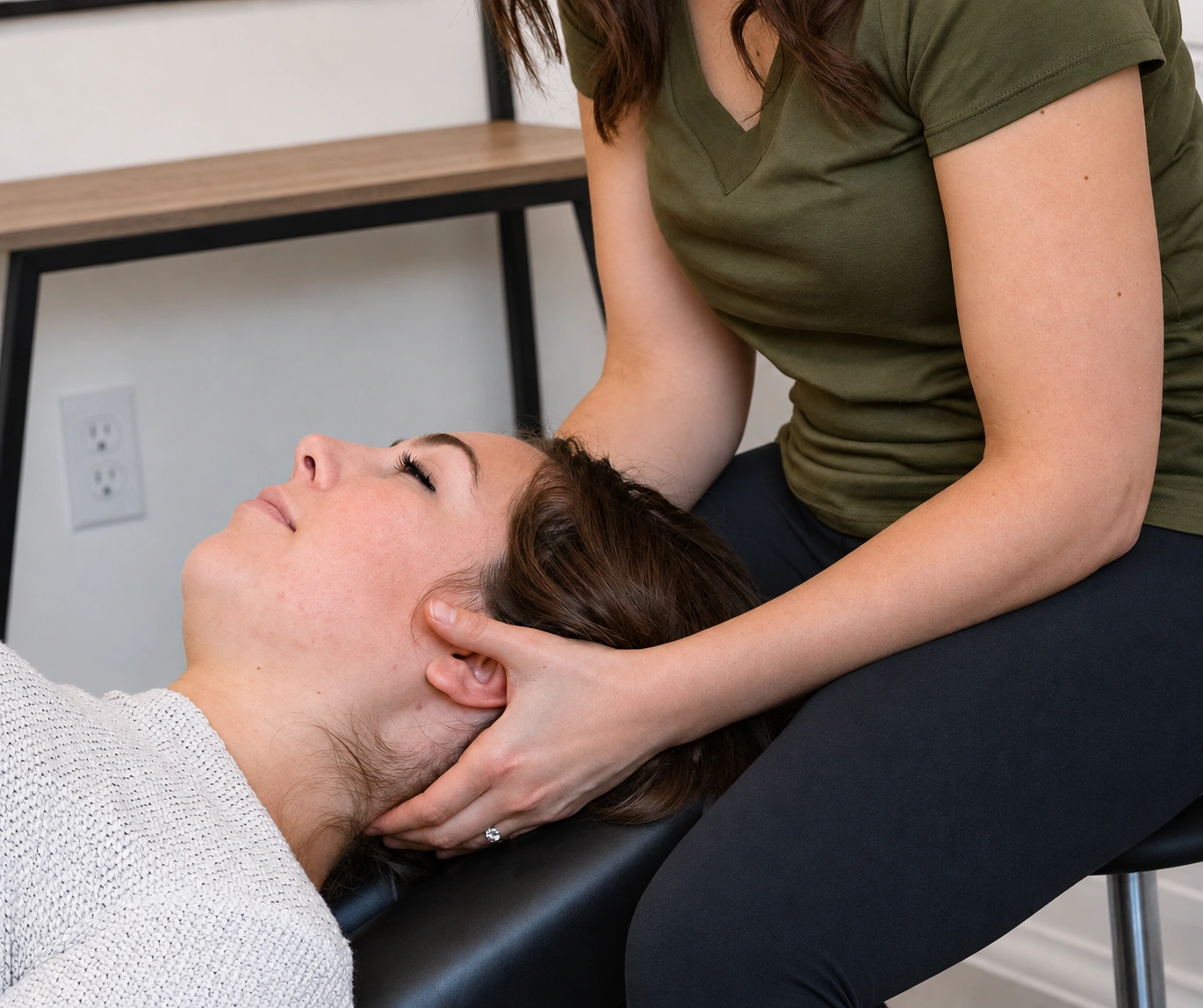
Is TMJ Treatment Right for You?
Tick what sounds like you. If one or more fits, book a visit with Dr. Natalie.
Not sure if this is for you?
Free 10-minute phone consultationIf your jaw stays locked, see your dentist or doctor first.
“Your jaw is what you eat and talk with all day. So we work on the tension and the habits that keep it going.”
What TMJ Treatment Is Really Like
Your jaw, your neck, and the muscles in between.
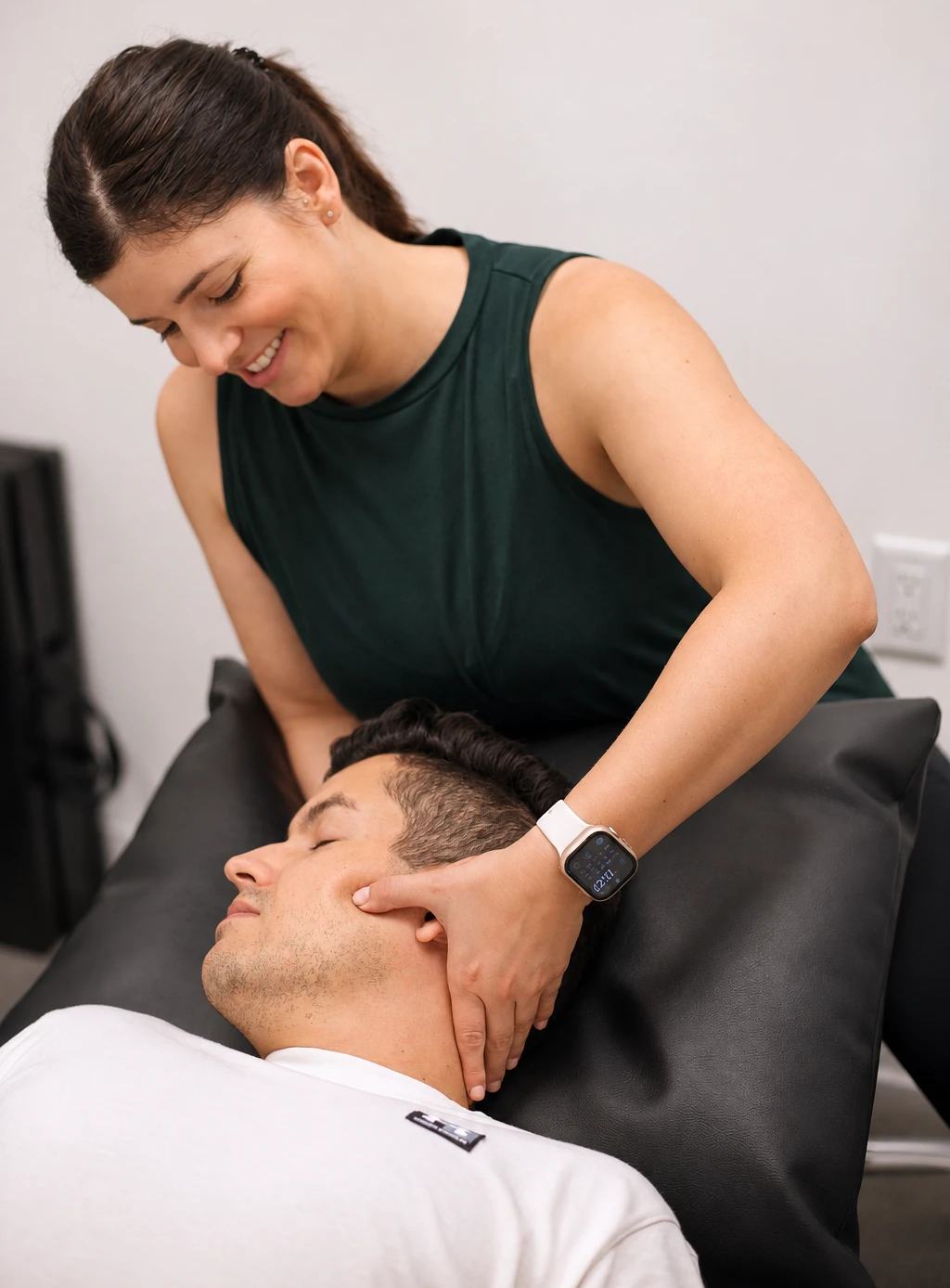
Jaw, ear, head, and neck symptoms are often connected, so Dr. Natalie looks at them together. She checks whether your pain comes from the jaw joint, the muscles, or both, and how your neck and posture play a part.
Depending on what she finds and what you prefer, your care can include:
- Gentle movement of the jaw joint
- Hands-on work on the muscles around your jaw, face, and neck
- Acupuncture, when it suits you
- Exercises and stretches to retrain your jaw and neck muscles
For your jaw, Dr. Natalie mostly uses gentle movement rather than an adjustment. Your neck may be moved gently or adjusted.
For most jaw problems, she suggests some work on the muscles inside your mouth. When your pain comes more from your neck and the muscles around your jaw, she may not need to.
How it feels afterwards differs. Some people feel relief straight away. Others feel sore or tender that night or the next day, and that has usually settled by the second day.
Your Jaw Pain Visit, Step by Step
Tell her what has been going on
Dr. Natalie asks about your jaw pain, dental work, clenching or grinding, any injury, headaches, your neck, and what makes it better or worse.
She checks your jaw and neck
She watches how your jaw opens and closes, feels the muscles around it, and checks how your neck moves.
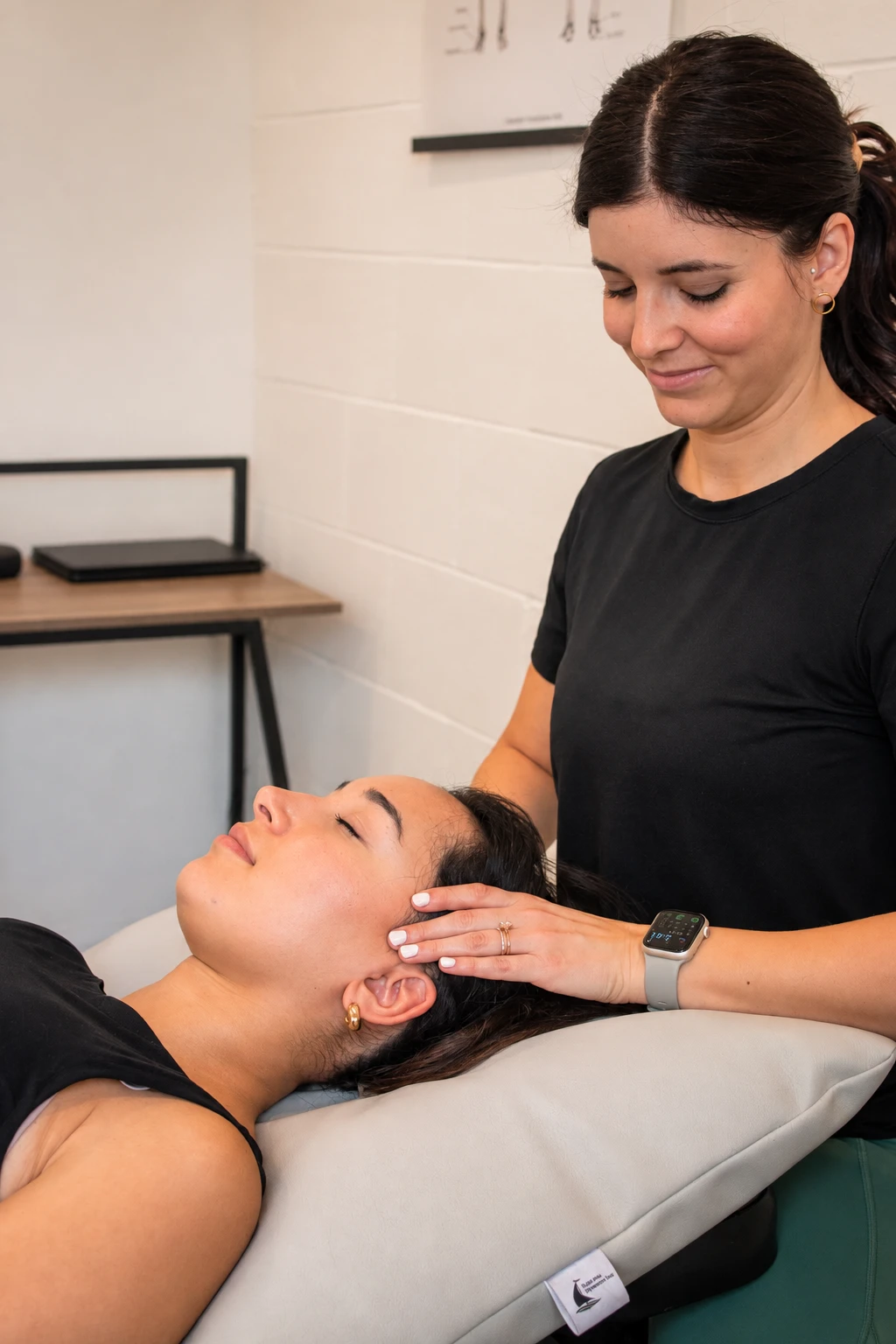
She explains her plan
She tells you what she thinks is going on, what she suggests, and your other options. Then you choose.
Treatment starts
Treatment starts at this first visit. You leave with exercises and stretches for home, and she tells you if your dentist or doctor should be involved.
Jaw care can sit alongside care for headaches and neck pain, in the same visit. Read about headaches →, neck pain →, acupuncture →, and myofascial release →
Every Visit Is With Dr. Natalie Lopez
Dr. Natalie has additional training in TMJ care. Her suggestions come from what you tell her, how your jaw and neck move, and what you prefer. She watches how you respond and changes the plan as you go.
Most people have already seen their dentist by the time they come in. If Dr. Natalie thinks a bite problem or an infection could be keeping your pain going, she sends you back to your dentist and works together with them.
You Stay in Control
Nothing happens without your permission. Dr. Natalie explains each part of your treatment before she starts, including any work inside your mouth. If you would rather skip that, she works from the outside only. You can ask questions, pause, or say no to any part at any time.

“Natalie’s treatment really helped with my tight jaw.”
Questions About Jaw Pain and TMJ
What is TMJ, and what is TMD?
TMJ is the joint that connects your jaw to your skull, just in front of your ear. TMD is the name for problems with that joint and the muscles that move it, like pain, clicking, or stiffness. Many people say TMJ for both. Read more: What Causes Jaw Pain and How Is It Treated? →
Can a chiropractor help with TMJ?
A chiropractor can treat the jaw joint and the muscles around it. Dr. Natalie checks your jaw and neck together, then uses gentle movement, hands-on muscle work, acupuncture when it suits you, and exercises.
Can TMJ cause headaches?
Jaw tension and headaches often come together, and jaw, head, and neck symptoms can be connected. Dr. Natalie checks your jaw and neck together and can treat both in the same visit. Read about headaches →
Should I see a chiropractor or a dentist for jaw pain?
Most people see their dentist first. When jaw pain comes with tooth pain, bite changes, or damage to your teeth, Dr. Natalie works together with your dentist. If the pain is severe, your dentist should always check for a problem first, and then treatment can go ahead. See your dentist or doctor first if your jaw stays locked or will not open or close, if the pain started after a serious injury, or if you notice swelling, numbness, weakness, or pain that keeps getting worse.
Does jaw treatment hurt?
It is usually gentle. You may feel some pressure in tight muscles, and Dr. Natalie changes the pressure to suit you. Some people feel tender that night or the next day.
Will anything be done inside my mouth?
Only if you agree. Dr. Natalie suggests it for most jaw problems, and works from the outside only if you would rather not.
How many visits will I need?
Everyone is different. At first, Dr. Natalie usually likes to see you more often, to ease the tension and the habits that keep your jaw pain going. Read more: How Many Chiropractic Sessions Will I Need? →
Get Relief From Jaw Pain and Tension
Book your 60-minute first visit with Dr. Natalie at Preserve Oak Wellness in Oakville. Have questions first? Start with a free 10-minute phone consultation.
Follow-up visits are 30, 45, or 60 minutes. Direct billing is available, and no referral is needed.Related Care
All services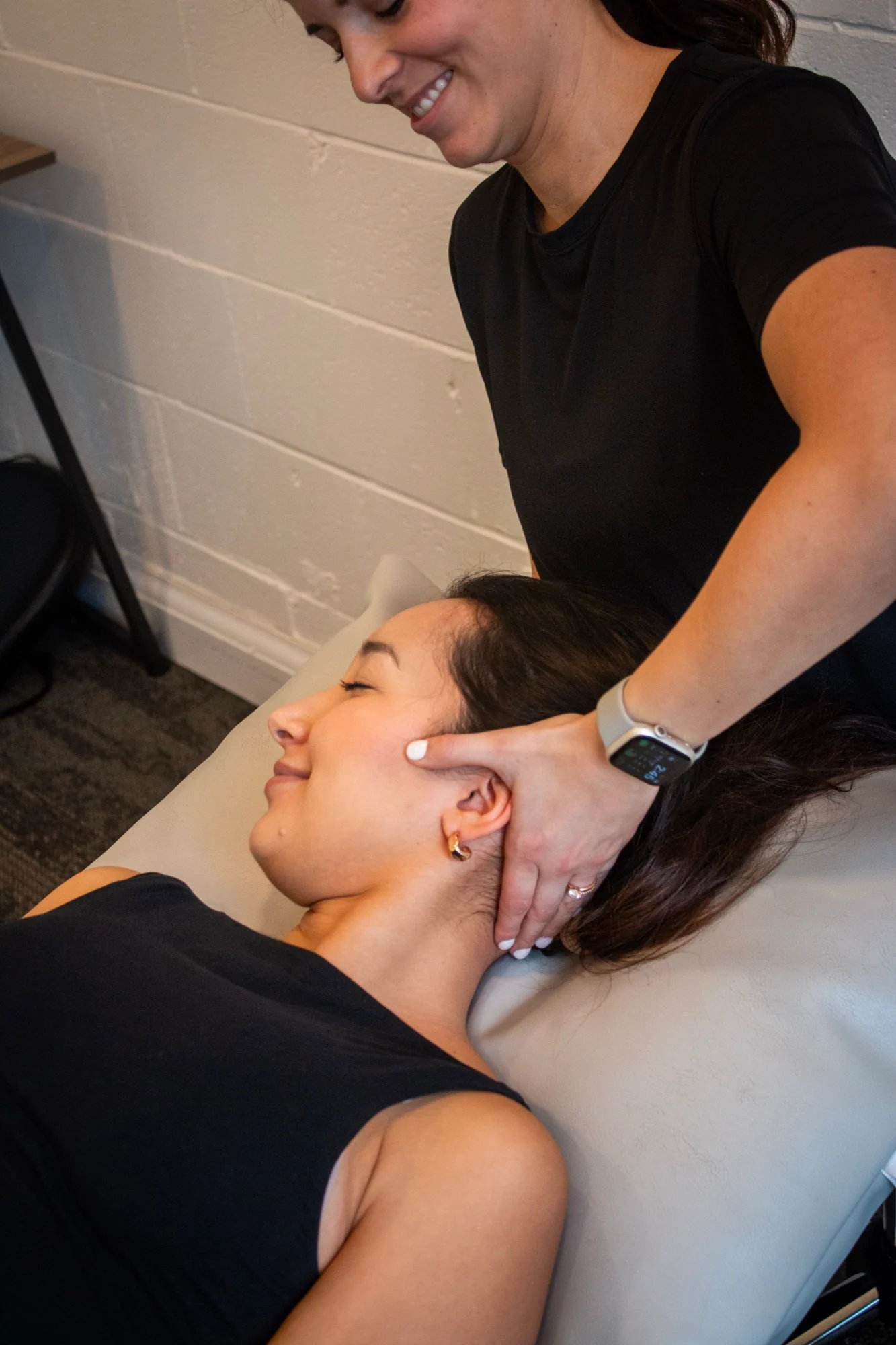 HeadachesCare for tension headaches, recurring head pain, and symptoms that may be connected with the neck or jaw.
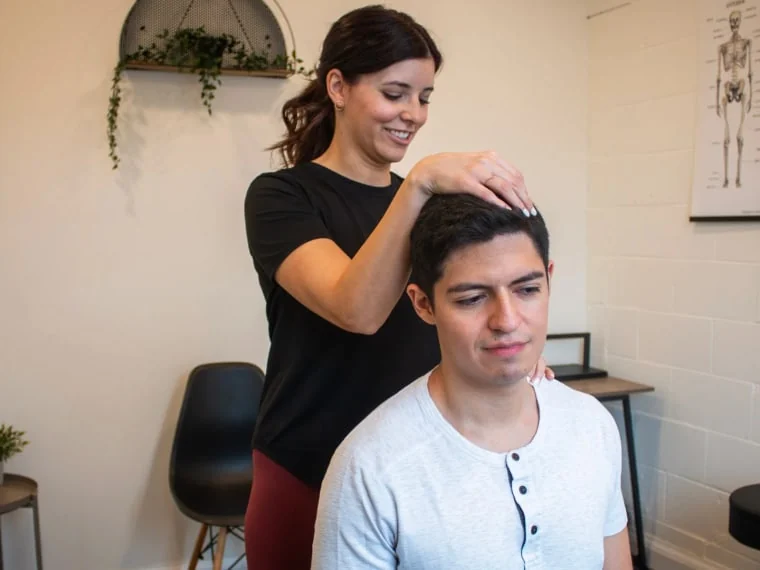 Neck PainCare for stiffness, shoulder tension, recurring headaches, and pain that affects sleep, work, or daily life.
 AcupunctureFunctional integrated acupuncture for muscle tension, pain, and movement, when it fits your plan.
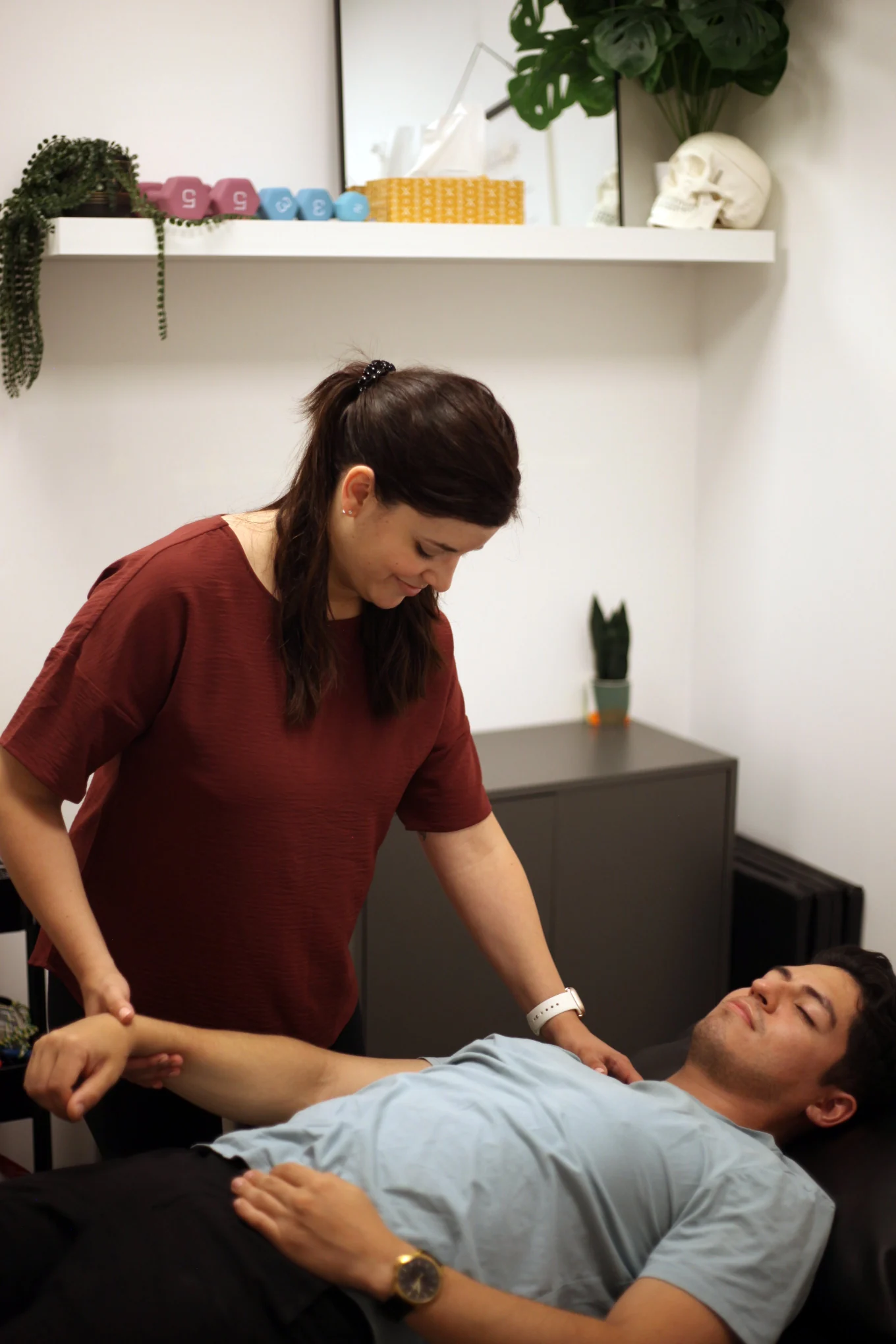 Myofascial ReleaseHands-on soft tissue care for muscle tightness and movement that feels restricted.
From the blog
Further reading on jaw pain and TMJ
- What Causes Jaw Pain and How Is It Treated?Jaw pain may involve the joint, chewing muscles, neck, stress, sleep, or dental factors. Treatment starts with the right assessment.
- Why Jaw Pain Happens and How Chiropractic Care May HelpWhy clicking, clenching, and jaw tension can persist, and what a jaw and neck assessment may involve.
- Headache and Jaw Relief: Why the Neck and Jaw Are Often Assessed TogetherLearn how jaw, neck, and muscle tension can overlap in some headache patterns, and what Dr. Natalie may assess before recommending care.